 우선 입장 가능
 벨렘 수도원(Mosteiro dos Jerónimos) 방문 최적 시기
테주 강변의 히에로니마이트 수도원을 찾는 모든 방문에 영향을 미치는 인파, 날씨, 대기 줄, 휴관일을 월별로 정리한 가이드.
Mosteiro dos Jerónimos는 알가르브를 제외한 포르투갈에서 가장 많은 유료 방문객이 찾는 기념물입니다. 성공적인 방문의 흐름을 결정하는 것은 날씨보다 운영 측의 세 가지 사실입니다: 기념물은 연중 매주 월요일 휴관하며, 표준 매표소 대기 줄은 테주 강변을 따라 도착하는 크루즈선 승객들로 예측 불가능하게 길어지고, 포르투갈 거주자는 오랜 Museus e Monumentos de Portugal 제도에 따라 일요일과 공휴일 오전에 국립 기념물을 무료로 관람할 수 있습니다. 이 세 가지 사실이 리스본 관광의 계절적 흐름과 겹쳐지면서, 같은 날의 가장 한적한 시간과 가장 붐비는 시간이 전혀 다른 기념물처럼 느껴지는 달력이 만들어집니다. 이 가이드는 월별 방문객 압력, 주간 리듬, 크루즈선 도착 패턴, 무료 오전 관람 관행, 그리고 공지된 휴관일을 상세히 분석하여 여행 일정에 맞는 최적의 방문 시간대를 선택할 수 있도록 돕습니다.
수도원 달력의 실제 작동 방식
이 수도원은 현장 운영을 위해 Direção-Geral do Património Cultural를 계승한 공공 기관인 Museus e Monumentos de Portugal이 운영합니다. 이 복합 시설은 연중 매주 월요일 휴관합니다 — 이 고정된 주간 휴관 규정은 리스본 월요일 기항을 중심으로 짜인 크루즈선이나 저가 항공 일정으로 도착하는 수많은 개별 여행객을 놀라게 합니다. 교회(Igreja de Santa Maria de Belém)는 활동 중인 본당으로, 별도의 거리 쪽 출입구를 통해 더 긴 시간 동안 개방되지만, 회랑, 챕터 하우스, 식당, 그리고 위쪽 합창석은 월요일에 입장권 소지자에게 공개되지 않습니다.
월요일 휴관 외에도 이 기념물은 1월 1일, 부활절 일요일, 5월 1일, 6월 13일(리스본의 성 안토니오 시립 공휴일), 12월 25일에 휴관합니다. 계절별 운영 시간은 여름의 긴 일정과 겨울의 짧은 일정 사이에서 연간 두 차례 변경되며, 마지막 입장은 폐관 30분 전으로 공지됩니다. 방문 날짜가 가까워지면 운영사의 웹사이트에서 최신 일정을 반드시 확인하세요. 계절 전환 주는 해마다 2주 정도 앞뒤로 움직여 왔기 때문입니다. 현장 매표소에서도 운영사 온라인 포털과 동일한 일반 입장권을 판매하지만, 매진된 날짜에 우선 입장 슬롯을 만들어 주지는 않습니다.
월별 가이드: 리스본 관광의 1년
1월과 2월은 가장 한적한 달입니다. 리스본의 온화한 대서양식 겨울 — 주간 최고 기온이 보통 12도에서 16도 사이 — 은 국내 및 이베리아 반도 방문객을 멀어지게 하고, 국제 관광객 수는 연중 최저치를 기록합니다. 일반 매표소의 대기 줄은 짧고, 회랑은 모든 프레임에 사람 없이 깨끗하게 촬영되며, 늦은 아침의 타구스 강 빛은 1년 중 가장 좋은 편에 속합니다. 3월은 전환기의 시작입니다. 부활절 주간은 언제든 찾아오든 급격한 방문객 급증을 만들어 냅니다. 4월부터 6월까지는 날씨, 빛, 적정한 인파가 가장 잘 어우러지는 시기입니다. 회랑의 2층 안뜰은 한여름의 강렬한 직사광선 없이 아침 햇살을 직접 받습니다.
7월과 8월은 가장 붐비는 달입니다. 리스본 크루즈 터미널은 이 기간에 연중 최고 빈도로 선박을 처리하고, 여름 방학으로 국내 가족 방문객이 늘어나며, 타구스 강의 더위 — 리스본은 7월 오후에 35도를 정기적으로 넘습니다 — 는 야외 방문객을 기념물 내부의 그늘로 밀어 넣습니다. 일반 매표소 대기 줄은 토요일 정오에 90분까지 늘어날 수 있습니다. 9월은 강력한 비수기 전환의 달입니다. 날씨는 여전히 따뜻하고 건조하며, 인파는 중순부터 완화되기 시작합니다. 10월부터 12월까지는 점차 비수기 조건으로 돌아가며, 11월은 여름과 크리스마스 사이 달력상 가장 조용한 단일 달입니다. 크리스마스-새해 기간은 잠시 급증합니다 — 해외 가족 방문객과 공휴일을 이용하는 리스본 주민들 — 그 후 1월은 비수기의 평온으로 돌아갑니다.
주간 리듬: 회랑이 가장 한적한 때
제로니무스 수도원 주간 달력에서 가장 신뢰할 수 있는 신호는 월요일 휴관입니다. 월요일이 문을 닫기 때문에 화요일 아침은 일요일에 리스본에 도착한 방문객들이 일정을 앞당기면서 약간의 억눌렸던 수요 급증이 발생합니다. 수요일과 목요일이 가장 조용한 평일입니다. 금요일은 주말 상승세가 시작됩니다. 토요일은 일반적인 주에서 가장 붐비는 날이며, 일요일이 그 뒤를 바짝 따릅니다 — 부분적으로는 포르투갈 거주자를 위한 무료 오전 관람 관례 때문이고, 부분적으로는 주말 국제 방문객이 랜드마크 명소에 집중하기 때문입니다.
평일 패턴 위에 겹쳐지는 것은 크루즈 선박 도착 효과입니다. 산타 아폴로니아의 리스본 크루즈 터미널과 보조 부두인 로샤 두 콘데 데 오비도스는 시즌 중 주로 화요일, 수요일, 토요일에 대형 선박을 처리합니다. 선박 2척이 동시에 도착하는 날은 벨렘 일대에 수천 명의 당일 아침 방문객을 추가하며, 그 결과로 생기는 물결은 대략 오전 10시 30분에서 오후 1시 사이에 제로니무스에 도달합니다. 이 패턴은 충분히 예측 가능해서 수요일 오전 10시 이전이나 오후 2시 30분 이후의 슬롯은 같은 수요일 정오보다 일관되게 더 한적한 회랑을 제공합니다. 크루즈 선박 일정은 리스본 항만청이 발표하며, 방문 일주일 전에 확인해 볼 가치가 있습니다.
일요일 무료 오전: 거주자 관례
포르투갈 거주자 및 시민 — 국민 신분증 또는 거주 카드로 증명 — 은 매주 일요일과 공휴일 오후 2시까지 국립 기념물과 박물관을 무료로 입장할 수 있습니다. 이는 문화부의 오랜 정책으로 제로니무스 수도원을 포함한 국영 시설 네트워크 전반에 적용됩니다. 이는 관광 프로모션이 아니며 비거주 방문객에게는 확대 적용되지 않습니다. 국제 방문객은 주 7일 정상 입장료를 지불합니다.
방문객 흐름에 미치는 실질적 영향은 상당합니다. 일요일 오전 개장부터 오후 1시 사이는 주중 어떤 시간대보다 포르투갈 가족 방문객 밀도가 가장 높습니다. 회랑 촬영과 챕터 하우스는 대략 10시부터 붐비기 시작합니다. 개장 시간 — 계절에 따라 보통 9시 30분 또는 10시 — 에 도착하는 국제 방문객은 첫 1시간은 괜찮다고 느끼지만, 압박은 빠르게 커집니다. 오후 2시 이후, 무료 입장 시간이 끝나면 현지 인파는 눈에 띄게 줄어들고 건물은 더 국제적인 평일의 성격을 띠게 됩니다. 일요일 이른 오후 슬롯은 주중 가장 활용도가 낮은 시간대 중 하나입니다.
휴관일, 빛, 그리고 가장 좋은 시간대
연간 5일의 휴관일 — 1월 1일, 부활절 일요일, 5월 1일, 6월 13일, 12월 25일 — 은 양보할 수 없으며 매년 여행자들을 당황시킵니다. 6월 13일, 리스본의 산투 안토니오 축제 시립 공휴일은 트램 15E의 승차 인원과 벨렘 전반의 방문객 압박이 도시 전체에서 최고조에 달하는 날이기도 합니다. 수도원은 문을 닫고, 탑은 개방되어 만원이 되며, 강변 산책로는 정어리 구이 축제로 크게 활용됩니다. 이에 맞춰 계획하세요. 부활절 일요일 휴관과 부활절 월요일 휴관이 겹치면 회랑은 이틀간 완전히 문을 닫게 되며, 이는 봄 방문객을 항상 놀라게 합니다.
개장 시간 중 가장 강력한 단독 타임슬롯은 개장 직후 첫 1시간(회랑에 아침 동쪽 빛이 들어오고 투어 단체가 아직 도착하지 않은 시간)과 폐장 90분 전입니다(단체는 이미 이동했고, 남향 회랑 창문으로 들어오는 빛은 따뜻하고 비스듬하며, 회의실은 꾸준히 한적합니다). 회랑의 위층 갤러리 — 북쪽 날개에서 짧은 계단을 오르면 도달 — 는 모든 시간대에 1층 통로보다 눈에 띄게 발걸음이 적으며, 인물 없이 2층 높이의 조각된 석회암 트레이서리를 촬영하기에 가장 좋은 장소입니다. 정오 11시에서 2시 사이는 가장 붐비는 구간입니다: 크루즈 인파, 투어 단체, 그리고 강한 직사광선이 겹치는 시간입니다. 가능하다면 이 시간대는 피하세요.
자주 묻는 질문
벨렘 수도원을 방문하기에 일주일 중 가장 좋은 날은 언제일까요?
포르투갈 학교 방학 기간이 아닌 수요일이나 목요일이 가장 좋으며, ideally 개장 직후나 폐장 90분 전이 이상적입니다. 화요일 오전은 월요일 휴관 후 밀려 있던 방문객이 몰리는 시간대이며, 토요일은 일관되게 가장 붐비는 날입니다.
수도원이 정말 매주 월요일마다 문을 닫나요?
네, 연중무휴입니다. 이것이 가장 흔한 여행 계획 실수입니다. 본당 교회(Igreja de Santa Maria de Belém)는 자체 도로변 출입구를 통해 예배 목적으로 계속 개방되지만, 유료 입장이 필요한 회랑, 챕터 하우스, 식당, 그리고 위쪽 성가대석은 월요일에 이용할 수 없습니다.
관광객도 일요일 오전에 무료 입장이 가능한가요?
아닙니다. 일요일 및 공휴일 오전 무료 입장 제도는 포르투갈 거주자 및 시민에게만 적용되며, 입장 시 국가 신분증 또는 거주 카드로 증명해야 합니다. 해외 방문객은 주 7일 모두 일반 요금을 지불해야 합니다.
제로니무스 수도원에서 가장 한적한 달은 언제인가요?
11월은 여름과 크리스마스 사이에서 가장 한적한 달입니다. 1월과 2월이 그 뒤를 바짝 따르죠. 이 세 달은 모두 국제선 방문객이 적고, 리스본의 온화한 날씨와 깨끗한 회랑 사진을 함께 즐길 수 있는 시기입니다.
크루즈 선박이 대기열에 어떤 영향을 미칠까요?
리스본 크루즈 터미널의 대형 선박 입항은 — 주로 성수기 화요일, 수요일, 토요일에 — 오전 10시 30분부터 오후 1시 사이에 벨렘을 강타하는 정오 물결을 더합니다. 10시 이전 또는 2시 30분 이후 시간대를 예약하면 이를 피할 수 있습니다.
6월 13일은 축제 분위기 덕분에 방문하기 좋은 날인가요?
13월 6일, 리스본의 산투 안토니우 축제로 인해 수도원이 휴관합니다. 벨렝 탑은 정상 개방되며 강변 산책로는 축제 분위기로 가득하지만, 회랑, 회의실, 식당은 출입할 수 없습니다. 회랑 관람은 다른 날로 계획하세요.
일출 시간에 방문하면 인파를 피할 수 있나요?
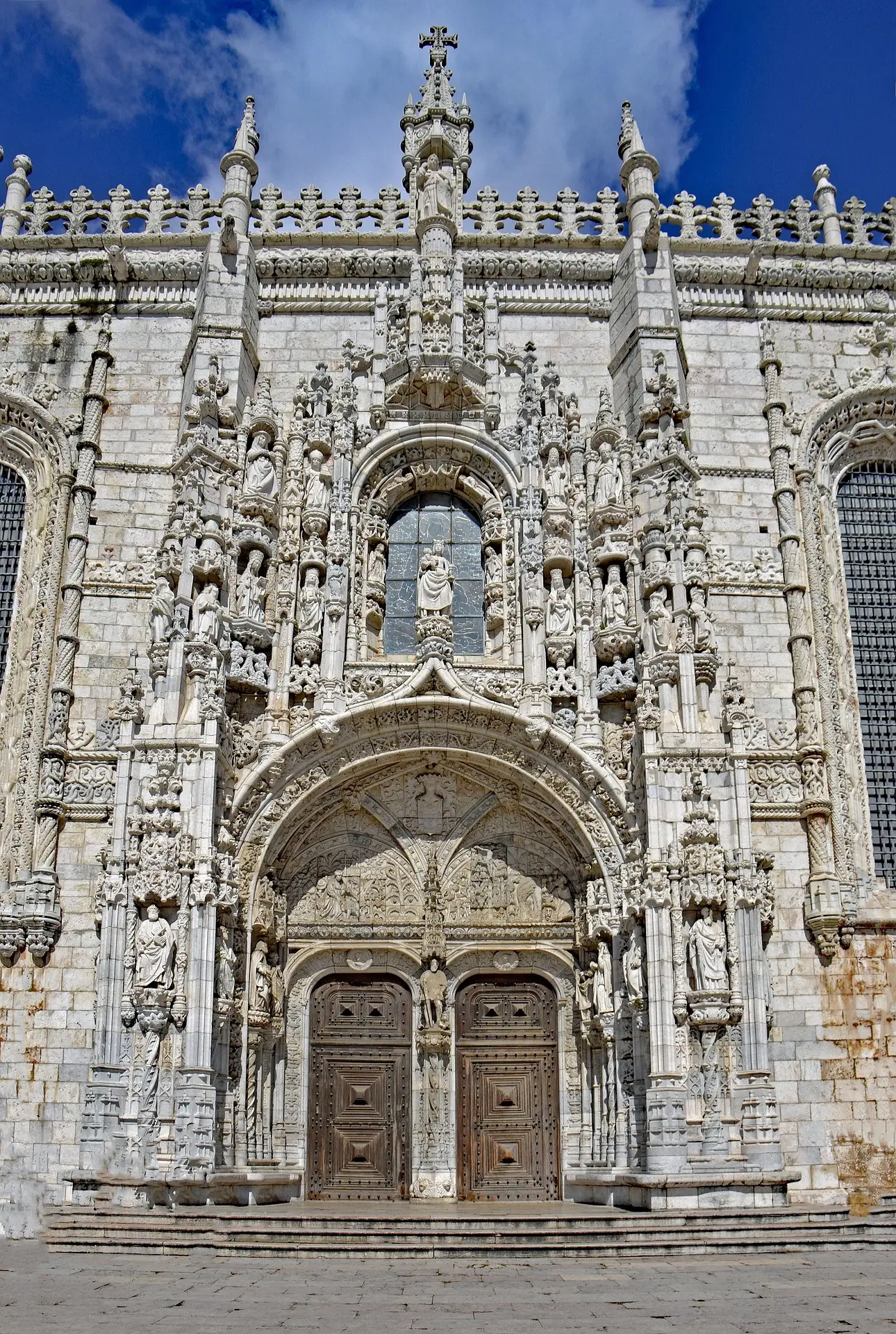
이 기념물의 정규 개장 시간은 연중 내내 해 뜨는 시각보다 늦습니다. 남쪽 정문 앞에서는 언제든 외부 사진 촬영이 가능하지만, 내부 출입은 직원이 유료 입구를 여는 시점부터 시작됩니다 — 보통 계절에 따라 오전 9시 30분에서 10시 사이입니다.
부활절이 관람에 어떤 영향을 미치나요?
부활절 일요일은 연간 5일의 휴관일 중 하나입니다. 부활절 월요일은 평소 월요일 휴관 규정을 그대로 따릅니다. 이로 인해 이틀 연속 휴관이 발생해 봄철 방문객들을 매년 놀라게 합니다 — 부활절 주간 여행을 예약하기 전에 운영 일정을 반드시 확인하세요.
위층 회랑이 폐쇄되는 달이 있나요?
위층 회랑은 회랑이 열려 있는 동안에는 일반적으로 항상 개방됩니다. 부분 보존 공사로 인한 일시적 폐쇄는 운영사 웹사이트에 사전 공지되며, 주로 주요 전시실에는 영향을 미치지 않고 비수기 주중에 진행되는 경우가 많습니다.
공휴일 전날에는 조기 마감하나요?
수도원은 12월 24일과 12월 31일에 단축 운영 시간표를 발표하는 경우가 있습니다. 해당 날짜의 마지막 입장 시간은 한 시간 이상 앞당겨질 수 있습니다. 방문 시점에 가까워지면 반드시 운영사에 직접 현재 공지된 일정을 확인하세요.